
If you’re going to sell scrap metal, copper is where your attention should be. No other metal you’re likely to come across in everyday life comes close to its value per kilogram, and Melbourne’s copper market in 2026 is as strong as it’s been in years. Whether you’ve got old plumbing pipe, stripped electrical wire, or a pile of motors from a factory cleanout, it’s worth understanding what you’re actually sitting on before you sell.
This guide covers current copper prices at Johnny Metal Recycling (JMR) in Braeside, how the grading system works, where copper typically comes from, and why the market is particularly good right now.
What Copper Is Fetching Right Now
JMR’s current buying rates for copper are:
- Bright/clean copper (Grade 1) – bare, uncoated wire or strip with no insulation, solder, or oxidation: up to $11.80/kg
- Heavy copper (Grade 2) – thick pipe, bus bars, slightly oxidised or soldered copper: up to $11.20/kg
- Mixed brass – taps, valves, and brass fittings (copper alloy): around $7.20/kg
Copper prices move with the commodity market, so it’s worth calling JMR on 0449 894 456 for an up-to-date rate before you make the trip.
Why 2026 Is a Good Time to Sell
Copper prices have climbed roughly 18% this year, and it’s not a coincidence — it’s the result of two things happening at the same time.
On the supply side, major copper mining operations in Chile, Peru, and the DRC have been dealing with production disruptions. Labour disputes, geopolitical instability, and declining ore grades have all played a role. Global mine output simply hasn’t kept up with demand, and that tightness flows through to scrap prices.
On the demand side, Victoria is spending heavily on infrastructure. Metro rail extensions, level crossing removals, renewable energy rollouts, broadband expansions — all of it is copper-intensive. Power cables, transformers, wiring systems, electric motors. The local demand for copper is genuinely high, and scrap supply feeds directly into that.
If you’ve been sitting on copper and waiting for a good time to sell, this is it.
How Copper Gets Graded
Copper isn’t priced as a single commodity — the rate you receive depends on what grade your material falls into. The grade reflects purity, preparation, and how much processing the buyer needs to do before the metal can be used.
Grade 1 – Bright/Clean Copper (up to $11.80/kg)
This is the top of the scale. To hit Grade 1, your copper needs to be bare and uncoated — no insulation, no solder, no paint, and no significant oxidation. Stripped electrical wire, clean pipe offcuts from new plumbing work, and copper from decommissioned switchboards typically qualify here. It’s the preparation that gets you to this price point, not some unusual type of copper.
Grade 2 – Heavy Copper (up to $11.20/kg)
Used copper plumbing pipe with solder joints, heavy-gauge wire with some surface oxidation, bus bars from electrical panels, and copper sheet all tend to fall here. The difference from Grade 1 is usually minor contamination or oxidation that’s difficult to remove. Still a strong price, and often the realistic grade for residential plumbing copper.
Insulated Copper Wire
Wire with the plastic insulation still on it is a step down from Grade 1. The insulation adds weight without adding metal value, and it costs more to process. The fix is simple — strip it. A basic wire stripper handles most cable easily, and a utility knife works for thicker runs. The price jump from insulated to bare Grade 1 copper is significant enough that on any meaningful quantity of wire, the time spent stripping is absolutely worth it.
Mixed or Contaminated Copper
Copper that’s mixed with other metals, embedded in concrete, or heavily oxidised gets assessed as mixed copper at a lower rate. Keeping copper separated from everything else is the easiest way to avoid this.
Where Copper Actually Comes From
Melbourne’s homes, businesses, and job sites generate a steady supply of recyclable copper. The most common sources:
Residential renovations — Older Melbourne homes, particularly anything built before the 1980s, use copper pipe throughout the plumbing system. A bathroom or kitchen renovation can yield 5 to 10 kg of copper pipe on its own. It’s one of the more reliable sources for homeowners.
Electrical work — Electricians accumulate cable offcuts, old switchboard components, and decommissioned wiring fairly routinely. A full rewire of a typical house generates a useful quantity of copper. Strip the insulation, and you’re looking at Grade 1 rates on all of it.
Air conditioning and refrigeration — HVAC systems run on copper refrigerant lines, and the evaporator coils inside units are copper too. When old systems are pulled out — particularly commercial ones — the copper content can be higher than people expect.
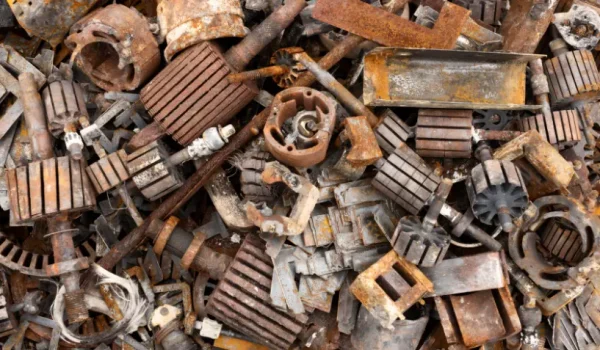
Electric motors and transformers — Industrial motors contain substantial copper windings inside a steel housing. When motors are decommissioned, separating the copper from the steel makes a meaningful difference to your return. Transformers hold large amounts of copper wire as well.
Solar installations — Victoria has rolled out a lot of solar over the past decade, and older systems are starting to reach the end of their life. Copper wiring runs throughout solar panel arrays, and inverter units contain copper components.
Construction and demolition — Strip-outs and full demolitions generate copper from embedded electrical systems, plumbing, and commercial fit-outs.
Vehicles — Starters, alternators, and wiring harnesses all contain copper. End-of-life vehicles are often stripped for copper before the steel is processed.
Getting the Best Price
Strip your wire. This is the highest-leverage thing you can do. Every kilogram of insulated copper wire you strip and bring in as bare wire is priced at up to $11.80/kg instead of a significantly lower rate. The tools to do it cost less than $20, and the process is straightforward.
Remove brass fittings from the copper pipe. Solder joints move pipe from Grade 1 to Grade 2, and brass fittings mixed into a copper load contaminate the grade. Cut the fittings out where you can and bring them separately — they’ll be assessed as mixed brass at $7.20/kg, which is better than having them drag down your copper price.
Keep copper completely separate from other metals. Even a small amount of steel or aluminium mixed into a copper load can pull the whole thing down a grade. Use a dedicated container for copper from the start and don’t mix anything else into it.
Call ahead for the day’s rate. Copper prices move. A quick call to JMR before you load up ensures you’re working off a current figure and not one from last week.
Selling to JMR
JMR buys all grades of copper from Melbourne residents, tradies, and commercial operators. If you want competitive copper scrap prices in Melbourne, we provide transparent pricing based on current market rates and pay you on the spot, the same day. Free mobile pickup is available for loads of 500 kg or more anywhere in Melbourne and surrounding areas. For smaller loads, you can drop them off directly at our Braeside facility.